
I spent four years in a coworking space. And I mean that in the best possible way.
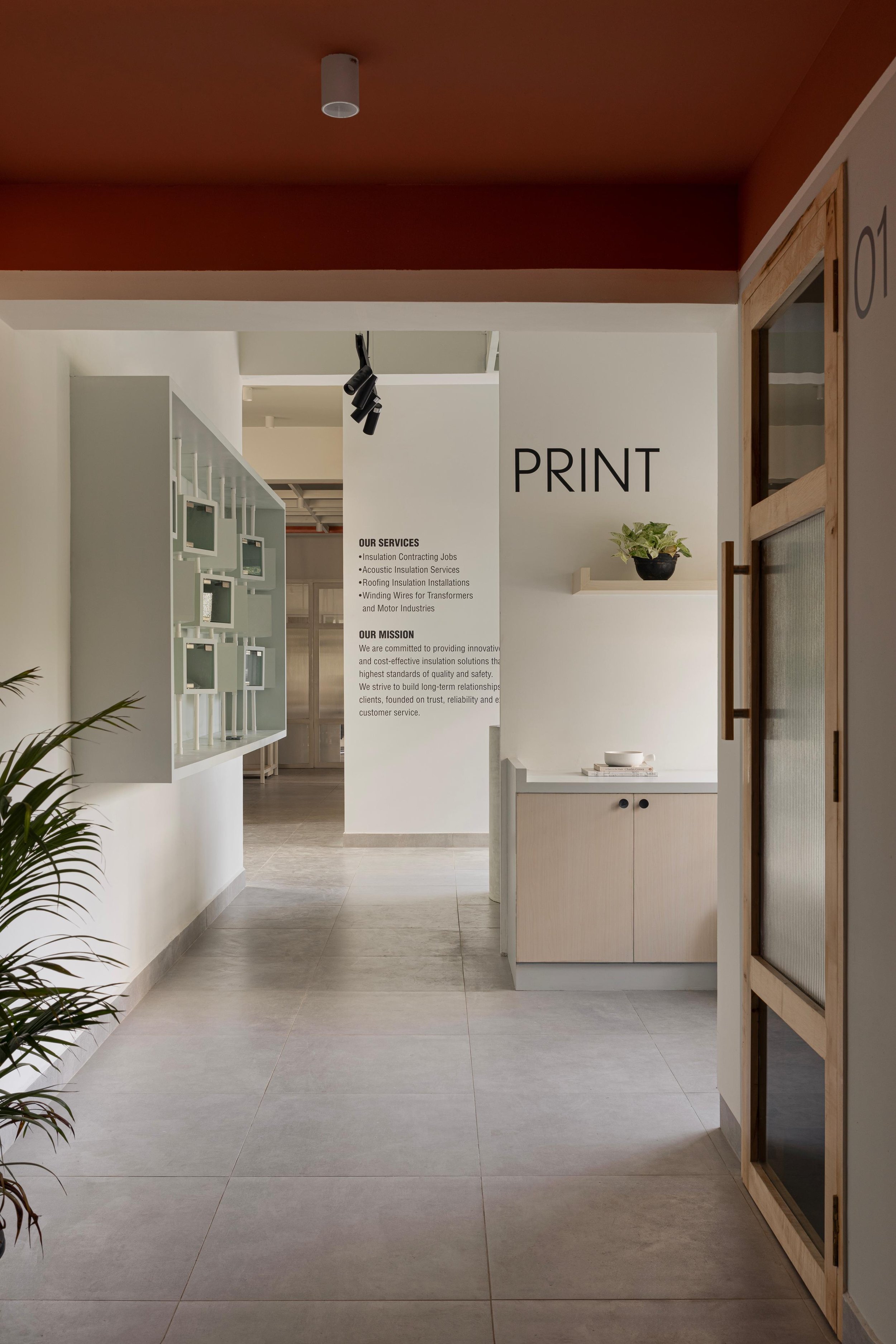
I made friendships there that became client relationships. I absorbed knowledge from peers I would never have met otherwise. My overheads stayed low while my thinking stayed sharp. For where I was in my practice at that point — building, experimenting, figuring out what I stood for — a coworking space was exactly right. And then, somewhere around year four, I started craving something of my own. That feeling is worth paying attention to. Because it’s not restlessness. It’s a signal.
The case for coworking — and it’s a strong one
For companies that are bootstrapping, building their identity, and figuring out their methodology, coworking spaces are genuinely excellent. The infrastructure is there. The community is there. The flexibility is there. You don’t need to think about rent negotiations, fit-outs, or facilities management. You can focus entirely on the work. This holds true up to about 30 to 40 people. At that scale, a good coworking space gives you everything you need — collaborative corners, quiet zones, shared workstations, a pantry, meeting rooms on demand. Generic, yes. But at that stage, it’s exactly what you need.
The moment things shift
Something changes around the 40 to 50 person mark. It’s not dramatic. It’s gradual. But it’s real. The company starts to have a language of its own. A way of working that is specific to it. Values that aren’t just written on a website but lived in the daily rhythm of how teams communicate, make decisions, take breaks, and build things together. And at that point, a generic space starts to feel like a borrowed coat — functional, but not quite yours.
Coworking spaces are designed to serve everyone. Which means, by definition, they serve no one in particular. They will always have the same collaborative corners, the same quiet zones, the same open-plan workstations and shared pantry. These are good things. But they are not your things. When a company has developed its own identity, it needs a space that reflects and reinforces that identity — not one it has to keep adapting itself to fit.
What a tailored workplace actually means
This is where I want to push back against something.
Designing a tailored workplace is not a matter of filling in a requirement sheet. 70 people, X workstations, Y meeting rooms, Z phone booths. Hand that to an architect and you’ll get a generic space with a custom fit-out. Which is not the same thing at all. A workplace that genuinely serves a company begins with understanding that company. How does work actually move through it? How do teams interact — or not interact? What does a great day look like here, and what does a frustrating one feel like? Where is the energy in this office, and where does it quietly drain away?
I’ve walked into offices where the layout was arranged by habit rather than by how the business actually functioned. Teams sitting far from the people they most needed to be near. Natural light blocked by partitions nobody remembered installing. Meeting rooms that were always booked but rarely used the way they were intended. None of this was anybody’s fault. It had simply accumulated.
The assessment we do before any design work — we call it GROWTH™ — almost always surfaces things the founder knew were wrong but had never named. That moment of recognition is usually where the most useful conversation begins. And sometimes what follows isn’t a redesign at all. It’s a reorganization, a targeted intervention, a few changes that cost very little but shift a great deal.
The short version
Coworking is right until it isn’t. The signal that it isn’t is subtle — a growing sense that the space is no longer growing with you, that you’re adapting to it rather than the other way around. For most companies, that signal arrives somewhere between 40 and 50 people. When it does, a tailored workplace isn’t a luxury or the next obvious upgrade. It’s a considered response to a real and specific problem.
And that problem deserves more thought than a requirements sheet.